A BISP payment status can change as a district phase, verification step, or household record is processed. The message is useful, but it should not be treated as a guarantee until the official payment process confirms the result.
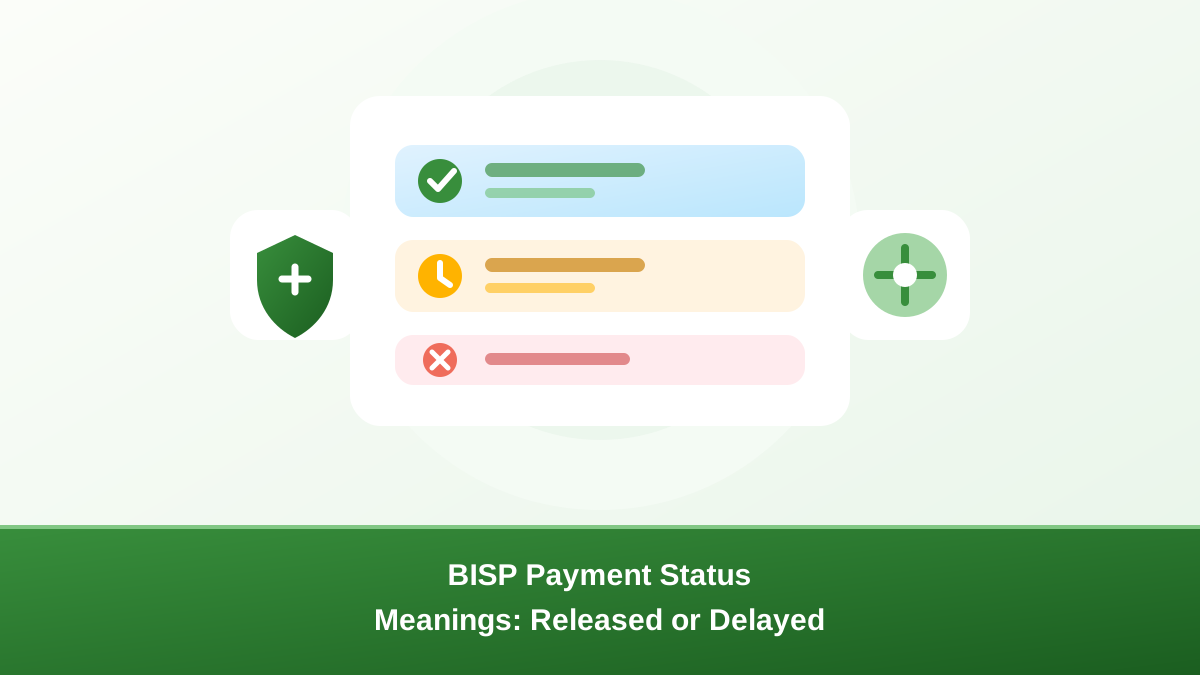
Released or ready for collection
This generally means the system shows a payment as available or released through the assigned method. Confirm the collection instructions from an official BISP source and take the required identity document. Never pay an agent to release money.
Processing or under process
Your record or payment may still be moving through an official phase. Check again after a reasonable interval and avoid repeated visits based only on an unofficial message. If the status remains unchanged, ask an official BISP office what follow-up applies to your case.
Delayed or not received
A delayed payment can result from a district phase, verification issue, payment-method problem, or record mismatch. Check the official 8171 result, confirm your details, keep any reference number, and register a complaint through an official channel if the problem continues.
Survey or record update required
This indicates that the household record may need new information before the case can continue. Ask an official centre about the Dynamic Survey, correction, or re-survey process. Take original documents and keep the receipt or token provided.
Not eligible
Not eligible means the current official evaluation did not meet the applicable programme criteria. Rules and thresholds can change. Ask through official channels whether a correction, appeal, or future survey is available for your circumstances.
How to verify any payment result
- Use the official 8171 process linked from the BISP website.
- Check the assigned payment method through official instructions.
- Keep your CNIC, SMS, receipt, and complaint reference details private and safe.
- Ignore messages that request a fee, OTP, PIN, or guaranteed payment.
Payment status is not the same as account balance
A BISP status message describes what the programme record shows. It may not be the same as a bank, wallet, or payment-point balance. If the status says released but the assigned payment method does not show the money, keep the message and ask the official payment channel what verification is required.
When to wait and when to complain
Waiting may be reasonable when your district’s payment phase is still being processed or an official message says the record is under process. A complaint becomes more appropriate when the relevant phase has passed, the status remains unchanged, the amount appears incomplete, or a payment point reports a problem. Use the delayed-payment guide for a practical checklist and the complaint registration guide for follow-up.
What evidence to keep
- The date and wording of the 8171 response.
- Your original CNIC details, kept private.
- Any token, receipt, payment slip, or complaint reference.
- The name or location of the official office or payment point you visited.
- Evidence of an unauthorised fee request, without sharing it publicly if it exposes personal data.
How to avoid outdated payment information
Do not rely on a forwarded amount, an old video, or a page that gives a payment figure without identifying the relevant programme cycle. Payment methods and announcements can change. Verify the current amount, date, and collection instructions through official BISP channels before travelling.
Common payment problems and the next question to ask
- Identity or biometric issue: ask the official payment staff what approved verification alternative applies.
- Record mismatch: ask whether your CNIC, mobile number, or household record needs correction.
- Payment method problem: confirm which bank, wallet, campsite, or other method is assigned in the current official instructions.
- Deduction or missing amount: keep the receipt and register a complaint promptly through a verified channel.
- Repeated processing message: ask whether your district phase is complete before requesting a complaint or office follow-up.
How to prepare before contacting BISP
Have the beneficiary’s original CNIC, the exact 8171 wording, the date of the message, and any payment or complaint reference ready. Explain one problem at a time. Clear notes help the official channel identify whether the issue is eligibility, payment release, identity verification, or a record correction.
Conclusion
Payment status wording is a starting point for the next official step. Confirm the result, follow your district’s instructions, and contact BISP through verified channels when a delay or record problem remains.
Frequently asked questions
It generally means the payment or record is still being processed. Check again later and ask an official BISP channel if it remains unchanged.
Check the official 8171 result, confirm your details, wait for the district phase, and register an official complaint if the issue continues.
Not necessarily. Follow the current official collection instructions and verify the assigned payment method.